

Understanding the Proposed SEND Reforms (2026)

Chaotic
12 Mar 2026

5 Key Things to Know
- These SEND reform proposals are not law yet.
- The current SEND system still applies.
- Parents can still request an EHC needs assessment.
- Existing EHCPs remain legally binding.
- The consultation closes 18 May 2026.
The Government has launched a consultation on proposed changes to the Special Educational Needs and Disabilities (SEND) system.
Many families are seeing headlines and feeling worried or uncertain about what the proposals might mean.
This guide explains the key ideas and outlines what has been proposed, and clarifies what has not changed.
First: Nothing Has Changed Yet
It is important to understand that these proposals are not law. The SEND system currently in place, including the SEND Code of Practice and EHCP legislation, remains fully in force.
Any major changes would require:
- new legislation through Parliament
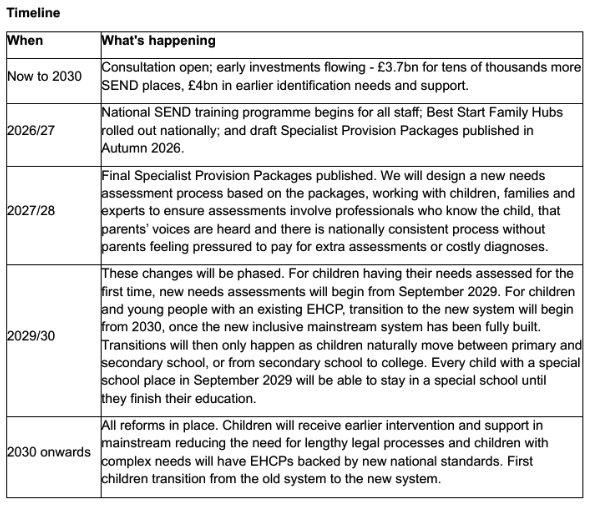
- a transition period lasting several years
Families should continue using the existing SEND processes and legal rights.
Why the Government Says Reform Is Needed
The Government says the SEND system is under significant pressure nationally.
Some of the issues frequently cited include:
- a large increase in EHCP numbers
- rising tribunal appeals
- long delays in accessing support
- schools reporting funding pressure and difficulty accessing specialists
The proposed reforms are described as a long-term restructuring of the system, rather than a small adjustment.

The Vision Behind the Proposed Reforms
The White Paper describes a system designed to provide earlier support and clearer expectations across schools.
The proposals aim to create:
- a single inclusive education system
- earlier support without waiting for crisis
- stronger coordination between education, health and care services
- continued specialist provision for complex needs
The Principles Behind the Proposed System
Early: The reforms are built around five guiding ideas.
Local: Support should begin as soon as needs are identified.
Fair: Where possible, children should be able to learn close to home alongside their peers.
Effective: Schools should be properly resourced to meet common needs, with clear national standards.
Shared: Support should be based on approaches that are proven to work.
Education, health and family services should work together around the child.
The Four Layers of Support
The proposed system describes four layers of support around a child. Children may move between these layers as needs change. They are not intended to be followed in strict order.
Universal support refers to inclusive classroom practices available to all pupils.
Examples might include:
- sensory-aware classroom environments
- visual timetables
- structured lesson routines
- flexible seating and movement opportunities
- clear and consistent communication strategies
The aim is to ensure more children receive support before difficulties escalate.
Important clarification
Universal provision does not remove the right to request an EHC needs assessment.

Targeted Support
Targeted support provides additional structured help within mainstream school. This is used when universal classroom support is not enough.
Examples may include:
- small-group intervention programmes
- literacy or language support
- social skills groups
- emotional regulation programmes
- adapted classroom tasks
Targeted support is organised by the school and reviewed regularly. It does not require a diagnosis or statutory assessment. Parents still retain the right to request an EHC needs assessment.
Targeted Plus Support
Targeted Plus introduces specialist professional involvement within mainstream education.
This support would not require an EHCP before professionals become involved.
Possible examples include:
- speech and language therapy advice
- educational psychology input
- occupational therapy strategies
- specialist teachers, for example autism or sensory needs
- access to inclusion bases within school
The intention is to make specialist expertise available earlier, rather than only after lengthy assessment processes. Parents would still be able to request an EHC needs assessment if needed.
Specialist Support (EHCP)
The highest level of support would remain Specialist provision through an Education, Health and Care Plan (EHCP).
This includes:
- a formal EHC needs assessment
- legally enforceable support provision
- potential specialist or special school placement
- access to tribunal appeal rights
The proposals do not remove EHCPs from the system.

EHCP Rights Remain in Place
Under the proposals described so far:
- parents can still request an EHC needs assessment
- families can still appeal to tribunal
- existing EHCPs remain legally binding
The proposed support layers are intended to sit alongside the current statutory system, not replace it.
Individual Support Plans (ISPs)
One new proposal is the introduction of Individual Support Plans (ISPs). These would apply to children receiving Targeted or Targeted Plus support in mainstream schools.
All schools and colleges would be required to create an ISP when a child has identified SEND needs.
What an ISP might include:
- adjustments to daily routines and learning
- sensory adjustments and movement breaks
- structured interventions or small-group teaching
- advice from specialist professionals
- support for transitions between activities
ISPs would use a national digital format to help consistency and transitions between schools.
Inclusion Bases
The proposals also describe Inclusion Bases within mainstream schools. These would provide structured support spaces while allowing children to remain part of their local school community.
Inclusion bases may offer:
- quieter learning environments
- small-group teaching
- access to specialist expertise
- support for emotional regulation
Two types are described:
- Specialist Bases
Commissioned by the local authority and providing more intensive support. - Support Bases
Run by schools or clusters of schools, offering shorter-term intervention.
Safeguards During the Transition
If changes were introduced, they would be implemented gradually.
During any transition period:
- existing SEND law remains in place
- EHCPs remain legally binding
- tribunal rights remain available
- children currently in special schools would not be required to leave
Changes would require legislation before being implemented.

Workforce and Funding Proposals
The reforms include proposals to expand specialist support.
These include:
- a national SEND training programme for teachers
- expansion of specialist professionals through the Experts at Hand model
- greater access to specialist advice within schools
The proposals reference around 6,500 additional professionals.
Funding mentioned includes:
- £7 billion in SEND spending increases
- £3.7 billion capital funding for specialist places
- £1.8 billion for the Experts at Hand programme
Actual impact will depend on local recruitment and delivery.
Headlines vs Reality
Some headlines about the reforms have caused concern. It can be helpful to separate headlines from what the proposals actually say.
“You will have to go through every stage before getting an EHCP.” Parents can still request an EHC needs assessment directly.
“EHCPs are being scrapped.” EHCPs remain part of the proposed system.
“Children will be forced out of special schools.” Children already in special schools are not required to leave.
“Individual Support Plans are just paperwork.” ISPs are proposed as a legal duty with funding and oversight.
If Support Is Not Being Delivered
If adjustments or support are not happening, families can take practical steps.
These often include:
- speaking with the school first
- requesting a review meeting
- putting concerns in writing
- following the school complaints procedure
- escalating concerns to the governing body or academy trust
The proposals also mention stronger system oversight of SEND complaints.
The Emotional Impact for Families
Many families have spent years navigating a challenging SEND system. For parents who have already fought hard for support, the idea of reform can feel worrying or uncertain. Those feelings are understandable.
The current stage is a consultation, meaning the Government is seeking feedback before making final decisions.
The SEND Reform Consultation
The consultation is open for responses from families, professionals and organisations.
Opened: 23rd February 2026
Closes: 18th May 2026
Consultation page: consult.education.gov.uk/send-strategy-division/send-reform-putting-children-and-young-people-firs/
Email: [email protected]
Writing a Consultation Response
If you choose to respond, it does not need to be perfect.
Helpful responses often:
- answer the specific question being asked
- keep explanations clear and focused
- include short examples from lived experience
- highlight what should be protected as well as what should change
Practical Next Steps for Families
For now, the most important things to remember are:
- current SEND rights remain unchanged
- EHCP processes continue as normal
- decisions should not be made based on headlines alone
- schools and SENCOs can help discuss what the proposals mean locally
Families who wish to can also take part in the consultation before the deadline.

Explore our channels


Related Articles
View all-

Chaotic
· Sep 22, 2026Supporting Inclusive Sport for a Second Year with London You... Supporting Inclusive Sport for a Second Year w...
-

Chaotic
· Sep 11, 2026Announcing Our New Partnership with IPSEA to Help More SEND... Announcing Our New Partnership with IPSEA to H...
-

Chaotic
· Sep 4, 2026£2 Million Given Back to SEND Initiatives: Celebrating the I... £2 Million Given Back to SEND Initiatives: Cel...
-

Chaotic
· Jul 29, 2026She Told Everyone About Her £10,000 Win… Except Her Partner She Told Everyone About Her £10,000 Win… Excep...
-

Chaotic
· Jun 29, 2026From Worrying About Where They’d Live… to £50,000 From Worrying About Where They’d Live… to £50,...
-
Chaotic
· Jun 19, 2026Announcing Our New Partnership with Family Fund to Support 1... Announcing Our New Partnership with Family Fun...
-

Chaotic
· Jun 13, 2026He Thought He Was Entering for a PlayStation… Then Won £40,0... He Thought He Was Entering for a PlayStation…...
-

Chaotic
· Sep 22, 2026
Chaotic
· Sep 22, 2026Supporting Inclusive Sport for a Second Year with London You... Supporting Inclusive Sport for a Second Year w...
Chaotic
· Sep 11, 2026
Chaotic
· Sep 11, 2026Announcing Our New Partnership with IPSEA to Help More SEND... Announcing Our New Partnership with IPSEA to H...
Chaotic
· Sep 4, 2026
Chaotic
· Sep 4, 2026£2 Million Given Back to SEND Initiatives: Celebrating the I... £2 Million Given Back to SEND Initiatives: Cel...
Chaotic
· Jul 29, 2026
Chaotic
· Jul 29, 2026She Told Everyone About Her £10,000 Win… Except Her Partner She Told Everyone About Her £10,000 Win… Excep...
Chaotic
· Jun 29, 2026
Chaotic
· Jun 29, 2026From Worrying About Where They’d Live… to £50,000 From Worrying About Where They’d Live… to £50,...
Chaotic
· Jun 19, 2026
Chaotic
· Jun 19, 2026Announcing Our New Partnership with Family Fund to Support 1... Announcing Our New Partnership with Family Fun...
Chaotic
· Jun 13, 2026
Chaotic
· Jun 13, 2026He Thought He Was Entering for a PlayStation… Then Won £40,0... He Thought He Was Entering for a PlayStation…...